
Staircase Materials: What Should Homeowners Choose for Style and Everyday Use?
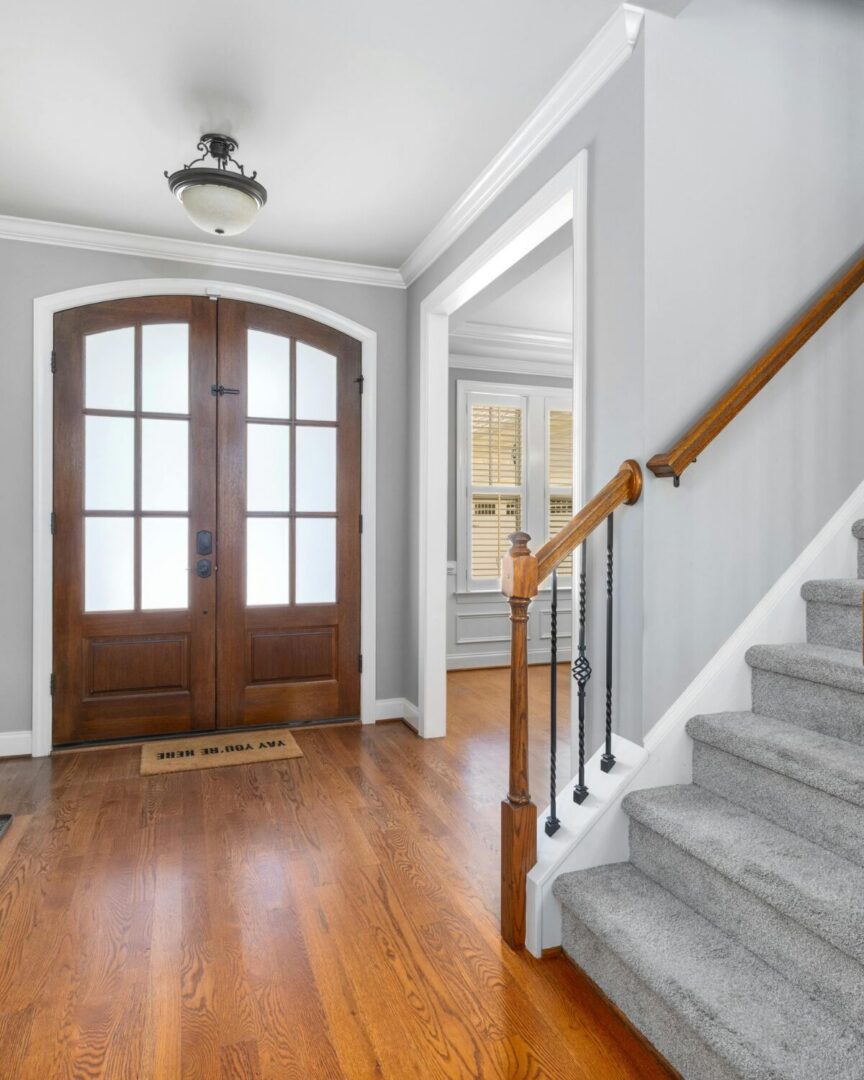
When you’re choosing a new staircase, you want it to look beautiful, but you also want it to hold up to everyday life.
After all, your stairs aren’t just a design feature. They’re something your family uses every day.
So, what materials do we typically recommend for homeowners who want a staircase that looks great and can stand up to everyday use? The answer depends on the home.
At DMD Stairs, we don’t start by telling a homeowner which material they should choose. We first look at what is already in the home, including the flooring, stained wood products, cabinets, and other finishes.
From there, we can determine what materials and finishes will work well with the existing design.
Start With What You Already Have
One of the biggest mistakes homeowners can make is choosing a staircase material before considering the rest of the home.
Your staircase should feel like it belongs in the space.
When we visit a home, we look at the existing floors and stained wood products to see what we can match. We pay attention to the wood grain, color, and overall appearance so the staircase complements the rest of the interior.
We also look at the cabinets.
If you have beautiful wood cabinets in your kitchen or another part of the home, for example, that can be another element we consider when selecting the right staircase material and finish.
The goal isn’t necessarily to make every piece of wood in your home identical. Instead, we want the different elements to work together.
White Oak Is a Popular Choice
White oak is one of the materials we commonly work with for staircases.
It offers a beautiful natural grain and works well with a variety of interior styles. Depending on the stain or finish, white oak can create anything from a light, natural appearance to a richer, more traditional look.
Because of its versatility, it can work particularly well for homeowners who want a staircase that won’t feel tied to one specific decorating style.
Red Oak Offers a Different Look
Red oak is another option we frequently use.
While red oak and white oak are both oak species, they don’t look exactly the same. One of the biggest differences homeowners will notice is the shade and overall appearance of the wood.
The grain may have similarities, but the species creates a different visual effect.
That’s why we always recommend looking at the actual materials and finishes rather than assuming two types of wood will look interchangeable.
A red oak staircase can be a great fit when its color and grain work well with the other wood elements already in the home.
Maple and Mahogany Can Also Be Options
Depending on the project, maple or mahogany may also be possibilities.
The right material depends on what you’re trying to accomplish and what the existing home allows us to do.
That’s an important distinction.
There isn’t one staircase material that is automatically right for every homeowner or every house.
The design, existing materials, layout, and installation requirements all matter.
What About the Railings?
The material choices don’t stop with the staircase itself.
For railings, we commonly work with materials such as white oak, red oak, and iron balusters.
One combination we particularly love is wood paired with iron.
Wood and iron can create a contemporary look, but the combination can also feel traditional and classic depending on the design.
That versatility is one of the reasons this combination continues to be popular with homeowners.
You can create a clean, modern staircase without making it feel like something that will look dated a few years from now.
We Look at the Job Site Before Making Recommendations
Before deciding what can be done, we come out and look at the job site.
This is an important part of the process because what a homeowner sees online or imagines for their home isn’t always possible within the existing space.
Sometimes we can make a particular design work.
Sometimes we can’t.
And it’s much better to know that before you become attached to a specific staircase design.
That’s why talking to us early in the process is often the best approach. We can look at the space, understand what you’re hoping to accomplish, and explain what options are available.
Then you can make an informed decision based on what will actually work in your home.
We’ll Give You Our Opinion…If You Want It
Every homeowner has different preferences.
Some people know exactly what they want. Others want guidance because they’re not sure which material, stain, railing, or design will work best.
At DMD Stairs, we’ll give you our recommendation or opinion if you ask for it.
We’re here to provide our experience and explain your options. But ultimately, it’s your home and your staircase.
Our job is to help you understand what can be done so you can choose the direction that’s right for you.
Choose a Staircase That Will Still Look Good Years From Now
Trends can be fun, but a staircase is a significant investment.
You don’t want to choose a design simply because it’s popular today and then find yourself tired of it a few years later.
We often tell homeowners to think about whether they can see themselves enjoying the design for years to come.
A well-designed staircase should be able to stay relevant for a solid 10 years within a trend, and ideally, even longer.
That’s where choosing the right material and combining it with a thoughtful design can make such a difference.
Whether you’re considering white oak, red oak, maple, mahogany, iron balusters, or a combination of wood and iron, the best place to start is by looking at your existing home and understanding what’s possible in your space.
Thinking about a new staircase? Talk to us before you fall in love with a design that may not work in your home.
We can look at your space, discuss your options, and help you understand what materials and designs may be a good fit.
FAQ’s About Staircase Materials
What is the best material for a staircase?
There isn’t one material that is best for every staircase. White oak, red oak, maple, mahogany, and other materials can all be appropriate depending on the home’s existing finishes, desired appearance, and the specific staircase design.
Is white oak good for staircases?
Yes. White oak is a popular staircase material because of its attractive grain and versatility. It can work with a variety of interior design styles and can be finished in different ways to complement the home.
What is the difference between white oak and red oak stairs?
White oak and red oak are different wood species, so they have different characteristics and appearances. Homeowners will often notice differences in the shade and overall look of the wood, even though the grain patterns can have similarities.
Can wood staircases match my existing floors?
In many cases, a staircase can be designed to complement or match existing flooring and stained wood products. At DMD Stairs, we look at the existing floors, wood finishes, cabinets, and other elements of the home when discussing staircase material and finish options.
Can my staircase match my kitchen cabinets?
Potentially. Kitchen cabinets can be one of the existing wood elements we consider when designing a staircase. The goal may be to coordinate the staircase with the cabinets rather than necessarily make every wood surface identical.
Should I choose my staircase material before talking to a staircase company?
It’s generally helpful to talk with a staircase professional early in the process. Some materials and designs may not be suitable for a particular space, so discussing your ideas first can help you understand what options are actually possible before becoming attached to a specific design.
How long should a staircase design stay in style?
A staircase is a long-term investment, so it’s worth considering how the design will look years from now. A thoughtfully selected combination of materials, colors, and design elements can remain appealing for many years rather than relying entirely on a short-lived trend.
What materials can be used for stair railings?
Common options include white oak, red oak, and iron. Wood and iron can also be combined to create a railing that works with contemporary, traditional, or transitional interior styles.